
Women at Cambridge University
The 1914 parts of The House at River’s Edge revolve around two women, Grace and Winn, who have attended Girton College in Cambridge.
In 1914 women could attend one of two colleges, Girton or Newnham, and were able to sit the Tripos (final examinations) at the end of their three years, but no matter how well they did they were not awarded degrees. In fact, I’m rather ashamed to say as a Cambridge girl, women did not receive degrees until 1948 and Cambridge was the last university in the country to award degrees to women at the end of their studies.
It boggles the mind doesn’t it?
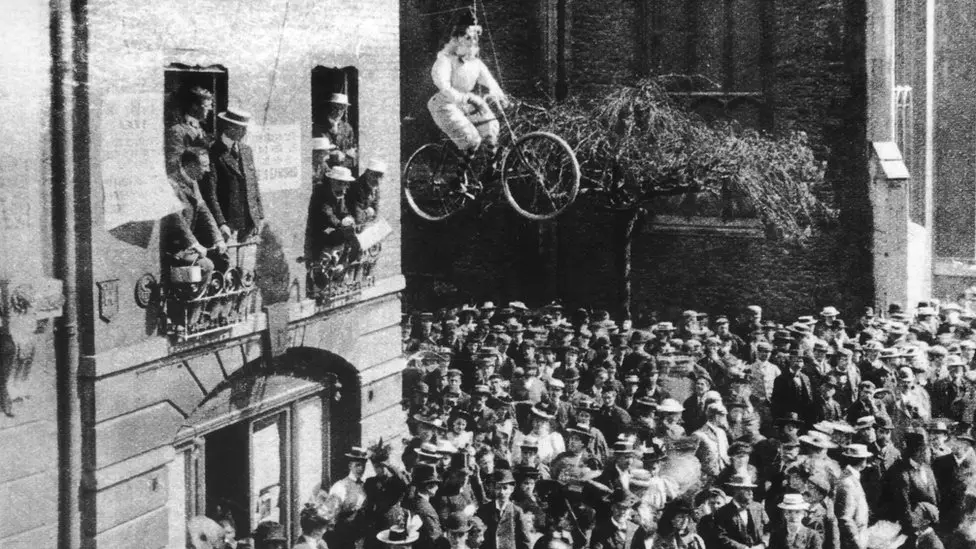
Girton college was established by Emily Davis in 1869 and, not only was it the first women’s college at Cambridge, but it was also the first residential college for women in Britain. There were still so many barriers to overcome – women had to ask permission to attend lectures and when they did they were often ignored. They were also expected to be chaperoned in public (although I think I can imagine what Grace and Winn would have thought of that rule). In 1897 a vote on women getting degrees turned into a riot with men filling the streets and burning effigies. Great efforts were made to keep women out of student societies, and women who tried to establish careers as academics were often met with hostility.
Women, of course, found their own ways of resisting and working their way around the rules. For example between 1904 and 1907, Trinity College Dublin offered women from Girton and Newham the opportunity to travel to Dublin to graduate officially.
Even after 1948 when women could receive Cambridge degrees alongside the men, there was still much antagonism. I can even remember some myself.
In 1988, when I was 13, Magdelene College became the last male college to admit women. My teenage self was righteously angry about this fact alone but there was more to come. So horrified by this development were some of the male members of Magdelene College that they responded by wearing black armbands, flying the college flag at half-mast and marching about the city with a coffin complaining of the ‘death’ of the college.
Nevertheless women persisted, as we always have. And while there is much to fight for, it’s always important to remember those early scholars at Girton and Newnham, like Grace and Winn, who paved the way for the generations who came after them.
Get your copy of The House at River’s Edge here: https://mybook.to/houseatriversedge