
Why No One Ever ‘Owns’ a Chateau
Personally, although I love living in France, I’ve never been tempted to buy a chateau. While they look great in pictures and on paper, I’m not sure I could cope with the upkeep of such an enormous building – I can barely clean the leaves out of the gutter of my current (much more modest) property.
Still, for those of a more practical bent (or those with plenty of money) I can see the appeal of owning a building that is beautiful and historical and timeless. And over the years, I’ve spoken with a few chateau owners, all with completely different stories.
I spoke to a woman from Oz who bought a chateau with her husband – the building was run-down and didn’t have electricity or running water. The Covid19 pandemic hit when she was here, meaning she had to spend much of lockdown alone in a dark chateau. The stuff of nightmares, rather than dreams come true, although she was amazingly positive and resilient.
I met a family where all the generations put their funds together to buy a chateau so they could all have a brand-new start and look after one another. While they had problems with heating and finding windows to fit, and found the renovations expensive, they’d managed to create a great family home for children and grandparents alike.
Another couple I met bought a chateau to create a retreat – and I can’t imagine anything nicer than sitting in their sun-drenched courtyard penning a novel. (Especially as, right now, I’m in my attic office in my smaller property. Winter has set in and I may or may not have lost circulation to my extremities).
One thing that bound all these stories together for me was the attitude people had developed towards the buildings they owned. All were interested in their chateau’s history – when it had been built, who’d owned it first, whether it had been abandoned and why. Perhaps because when you buy a chateau or another historic building, you are buying a piece of history. And once your name is on the deeds, you become a part of that history too.
Looking after a building that might go on standing for hundreds of years to come is an awesome responsibility. Imagine future generations of owners commenting on the improvements you made – peeling back wallpaper to find your initials scribbled in pencil many years ago. Most chateau owners I’ve spoken to seem to take this responsibility seriously – ensuring their renovations are in keeping with the building, and that any changes are made thoughtfully.
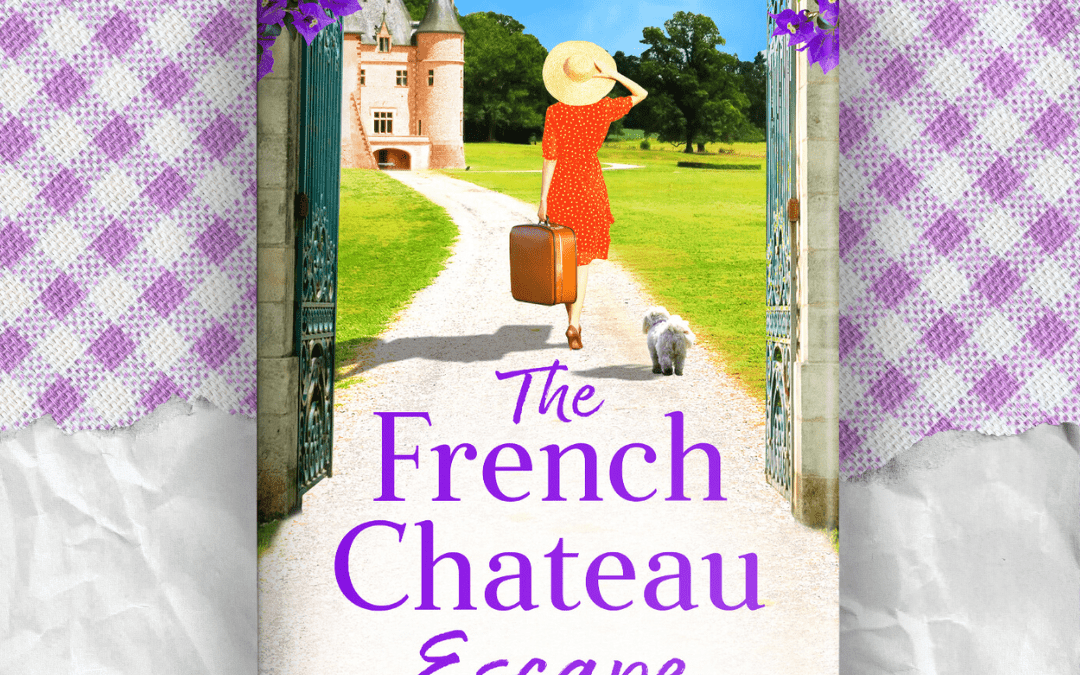
In my novel ‘The French Chateau Escape’ Emma and Mark ‘escape’ their London life to buy a chateau in Charente. Over time, they come to realise that nobody can ever really ‘own’ a chateau – they have been here for hundreds of years and will go on into a future we can’t yet imagine. Instead, when you own a piece of history, you are a custodian. Part of its story, but not the complete tale.
It’s awe-inspiring, brilliant and just a little bit terrifying. Which is why I think I’ll stick to my bog standard French maison and always be awestruck by those who take the plunge into something far more adventurous.
Pick up a copy of Gillian Harvey’s brand new book The French Chateau Escape here: https://mybook.to/chateausocial