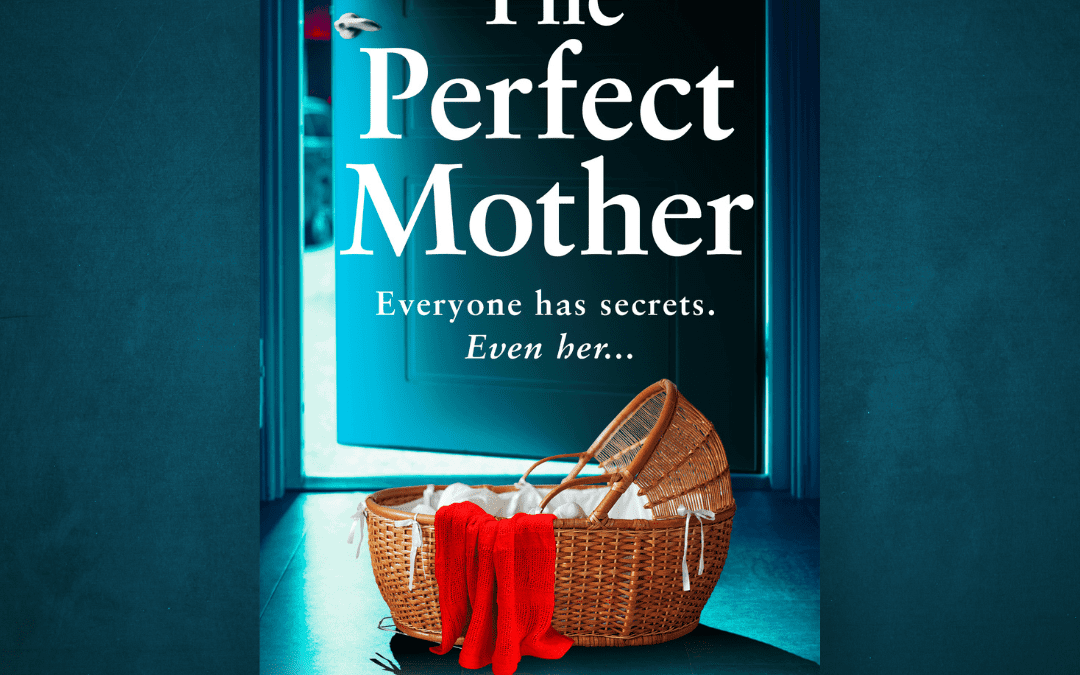
The inspiration behind The Perfect Mother
Two years ago I was scrolling online when I happened to fall down a free-birth rabbit hole. I can’t even remember what brought me to a story of a woman in the US who had opted to shy away from medicalised pre-natal care and who planned to free-birth her baby at home.
Free-birthing – that is giving birth without a doctor or midwife present – isn’t new, and it relies on the age-old truism that birth is a natural process. It has, however, grown in popularity in recent years, in particular due to the Covid pandemic, worries about being exposed to illness in hospitals and reports regarding staffing crises, particularly in the NHS.
Recent studies have shown that around 2.5% of women opt for free births – many of them citing that it feels safer than to go the medicalised route. It’s a relatively low percentage, admittedly, but steadily growing.
Some of those who opt for an unassisted delivery also opt to minimise healthcare through their pregnancy, fed by concerns about invasive procedures or being pressurised into a medicalised birth.
Some who follow this route, do so fervently joining online birthing communities where they share their experiences with each other – in many cases seeking advice, or affirmation about their choice.
While women supporting women can be a powerful and empowering force, the fact that some of these communities hold their beliefs so fervently that they are almost cult-like. And someone who preaches passionately without ever possibly being able to know what is happening in someone else’s womb at the other of the computer can be dangerous.
The article that sparked the initial idea for The Perfect Mother was one from NBC news in the States, by journalist Brandy Zadrozny. (It is easily found online but be warned, it is a difficult read). It focused on ‘Judith’ who sought support through her pregnancy from the now defunct American Free Birth Society – an online community of free-birth advocates and mothers who shared knowledge and their experience with each other.
This community ultimately encouraged Judith to ignore the inner voice that was telling her that she was putting her unborn baby at risk. In most cases, doctors will deliver a baby no later than two weeks past its due date, given evidence that the quality of the placenta can start to decline post forty weeks.
In Judith’s case she was reassured by the online community that her baby would come when he was ready and told she should trust her body.
Ultimately, at almost five weeks overdue, Judith lost her baby during her labour.
Writing about the loss of a baby wasn’t an easy task to take on. It was very important to me to write this book as sensitively as possible – while still examining issues of guilt, blame, regret and all-consuming grief.
I wanted to look at how some women feel too scared to trust modern medicine. I wanted to shine a light on the very real consequences of declining maternal care – or the impact Covid restrictions had on women who gave birth during their height.
I’d read many stories of mothers forced to labour alone, welcome in their partner for the delivery and then get just half an hour together before the partner would be asked to leave.
There is also a wealth of anecdotal evidence online about midwifery shortages and the detrimental impact they have had on women’s birth experiences.
I wanted to shine a light on the echo chamber and cultish qualities of some online communities – this is something I’ve looked at in several of my books.
And I wanted to examine how a mother processes her grief following such a loss and the ripples outward that grief can have. In this book, that comes through writing about Alice and her much wanted baby. And about Mel, the doula who supported Alice’s pregnancy and who is now, a year later, expecting her own child.
It’s about there being a need to blame someone for the unthinkable, the pain of wanting what you can never have back and the desire to make someone pay.
But it’s also very much about the wider issue surrounding maternal healthcare and how it can be made to feel, once again, like the safe space women need.
Start reading The Perfect Mother here: https://mybook.to/perfectmother