
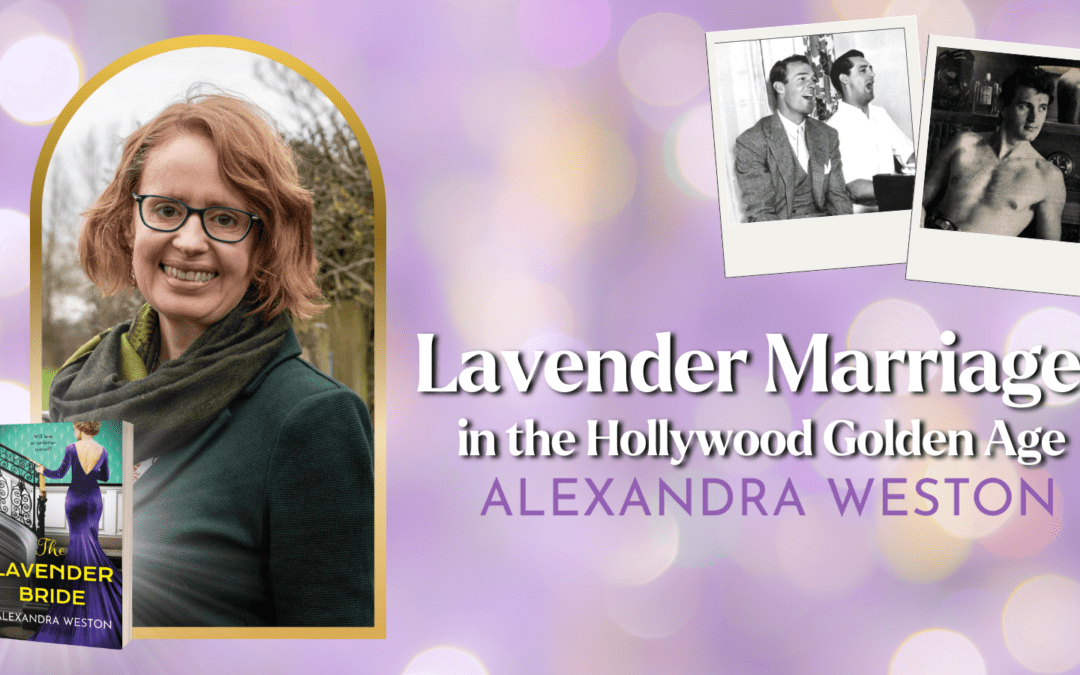
In the 1930s, Cary Grant lived with actor, Randolph Scott. Initially they shared a small home in Beverly Hills and later, they moved to a beachside house in Santa Monica where guests including Noel Coward and Errol Flynn. Grant and Scott lived together, on and off, for about a decade, during which time both men married and subsequently divorced. Photos of Cary and Randolph at home are a fascinating glimpse into their life together. To modern eyes, it’s difficult to imagine they were, as they told reporters at the time, ‘just good buddies’. Whatever the nature of their relationship (there’s plenty of people who’ve said they were romantically involved and also plenty who’ve said their relationship was platonic), what’s intriguing is that so few people questioned it at the time.
In the thirties and forties, the Hollywood studios exerted considerable control over the fan magazines. When movie stars gave interviews, the copy would be submitted to them and, if they weren’t happy, they could alter it. In essence, they were able to control the narrative. As British actor, David Niven put it, stars “created and perpetuated their image – and they became immortal”.
In the fifties, Confidential magazine set out to change that, seeking the stories the studios and stars didn’t want to get out. This was the beginning of tabloid journalism and, then as now, sex sold. Rock Hudson was gay but due to the homophobia of that era, that becoming public knowledge would have ended his career. When Confidential threatened to write about his sexual orientation, Rock’s wily agent arranged a lavender marriage for him. Lavender marriages were marriages of convenience entered into to keep secret one (or both) partners’ homosexuality. Many have claimed Cary Grant’s first marriage to Virginia Cherrill was a marriage of convenience entered into to placate the studio.
Rock Hudson’s bride was his agent’s secretary, Phyllis Gates. They were married for three tumultuous years. Phyllis claimed she had no idea Rock was gay until a friend told her after the marriage ended. It was reading about Rock and Phyllis’s relationship that sparked the idea for The Lavender Bride. I was touched by the unfairness of it. She believed she was marrying the movie star of her dreams but Rock, and his agent, were using her. I thought (as novelists often do) ‘there’s a story in that’.
[If you’d like to know more about Rock and Phyllis’s relationship then sign up for my newsletter for exclusive background on the real life story that inspired The Lavender Bride.]