
I was pre-destined to write about the workhouse, particularly the St. Tydfil’s Union Workhouse in Merthyr Tydfil, as I was born there. It was no longer a workhouse by then but one of the town’s busy hospitals.
St. Tydfil’s was the hospital I was rushed to when a wooden swing in a nearby park whacked me on the forehead as I tried to push my younger brother. I have memories of a gentleman frantically carrying me there with my mother and brother in tow as the blood gushed out of my head and that wound required five stitches!
At the age of nineteen, I was to work at St Tydfil’s on secondment to a geriatric unit as a student nurse. The building was the same as it had always been with its entrance arch and glass-leaded windows beside the porters’ lodge. The old chapel/dining room was still there until sadly, the building was demolished around 2015. There are now plans to build houses on the site.
It’s heartbreaking to think of the many impoverished families who passed through its doors having no other option than to go there or else end up on the streets. Though some might have considered being on the streets the better option on occasion! But it wasn’t just the poor, all classes could potentially end up there if they hit on hard times or became mentally unwell.
Beside the workhouse/hospital was an old graveyard. As children, we called it “The Cholera Graveyard”. We were attracted to it for some strange reason. I even remember once sitting on an old gravestone doing my homework! The stones were eventually removed and it was turned into a garden of remembrance. No doubt many from the workhouse during the cholera epidemics ended up buried there.
In 2000, I was to cross paths with the workhouse yet again as I undertook counselling training where we had some of our lessons and meetings in that room behind the leaded windows. Ten years later, I worked for a mental health organisation where meetings were held in the same building though in a different room.
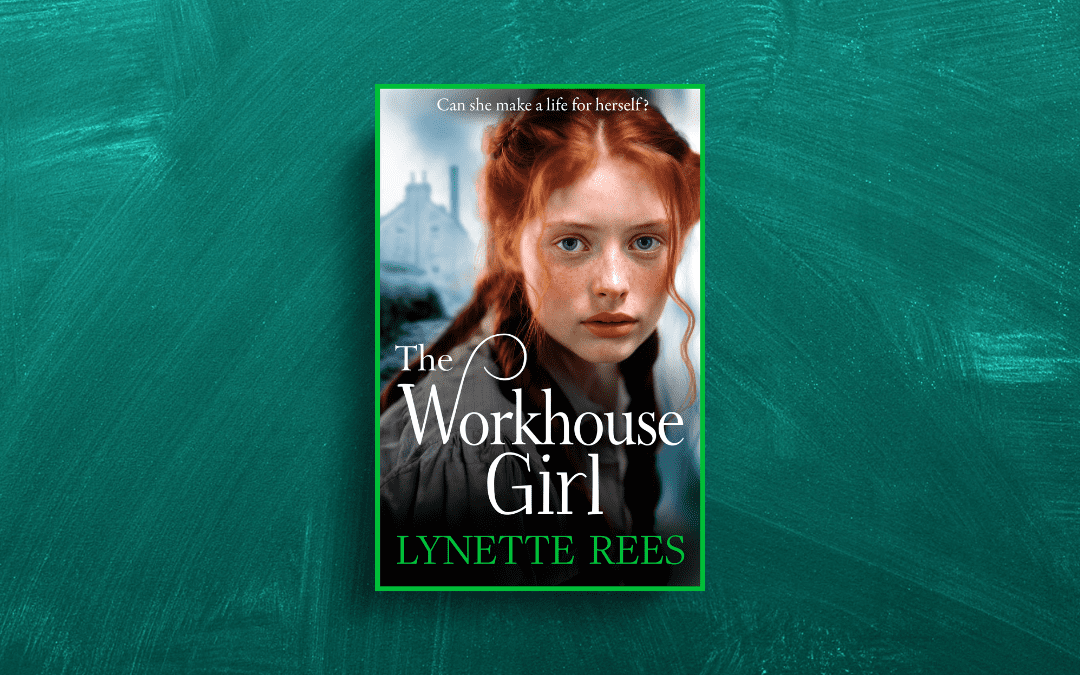
In some parts of the building, there were long dark, low-ceilinged corridors that felt oppressive, I can visualise how it might have felt for the inmates there. In later years, some parts were added on like the infirmary section, but it still, to me, had that workhouse feel to the place. I see Betsan in The Winter Waif on her hands and knees with a bucket of soapy water scrubbing the floors under the watchful eyes of the supervisor! Or Enid, in The Workhouse Girl, entering the workhouse doors with her entire family, frightened and confused as to what would happen to them all.
In essence, the workhouse held up a mirror to humanity as all sorts of people entered its doors, being no respecter of poverty or prosperity, class or creed. In my books, the workhouse becomes a character itself and at times is a menacing one.