
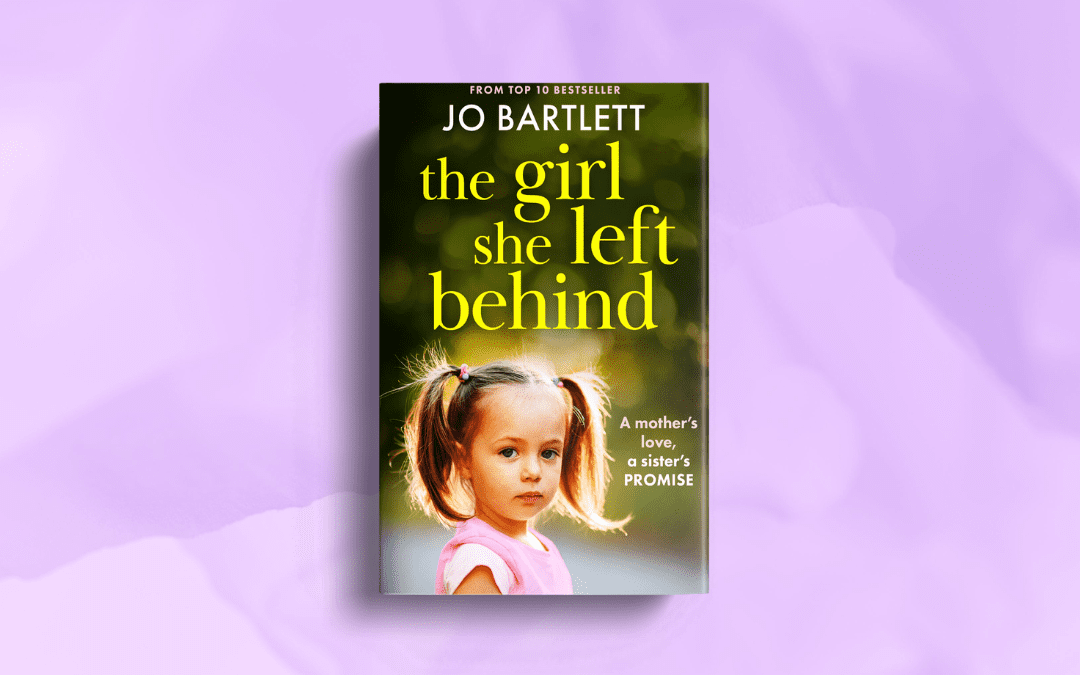
Today sees the release of The Girl She Left Behind, which is a story I’ve been wanting to tell for many years. If you’ve read my previous books, you’ll know they are mostly community-based, feel-good series, but some deeper themes always creep in! If you’ve read The Cornish Midwife series, you’ll also know that one of the midwives has a fostering and adoption journey that runs throughout all eight books. It’s a theme that comes up in some of my other novels too, including The Girl She Left Behind.
The reason it’s so close to my heart is because, before becoming a full-time author, I worked in education for over twenty-five years, and for more than fifteen of those I was a member of a fostering panel. The panel is made up of a group of professionals, and those with personal experience of foster care, who make recommendations about the suitability of someone to become a foster carer, as well as whether existing carers have performed well enough to maintain their registration.
Apart from writing, it’s been the role I’ve loved most throughout my career, and it’s a huge privilege to be involved with the sector. At times it’s tough, hearing about the challenges that foster carers go through in supporting young people who have had the most difficult starts in life. It can also be hugely uplifting and life-affirming to see the difference that can be made to children’s lives, when they are given the acceptance, understanding, and most of all the love that they need. That’s not to say it’s easy, and sometimes that love is offered and rejected because it can feel so unfamiliar and uncomfortable as a result. More often than not, fostering in particular can be a very bumpy road, but when things work out it’s incredible to see.
As part of my training for the role, I’ve attended lots of courses and reviewed numerous case studies about the reasons why children can be placed in care. It was thinking about some of these reasons that sparked the original idea for The Girl She Left Behind. It’s not a story about fostering as such, but the reason Lucy walks out, and leaves her older sister, Phoebe, to care for her little girl, grew from reflecting on some of the causes of breakdowns in family relationships.
The story touches on kinship care, which is a type of fostering where a family member takes on responsibility for caring for a child. Most of all, though, this story is about two sisters and the impact that a lack of love from their own mother has had on their lives. Like the fostering assessments I’ve read, it tackles a lot of challenging subjects and there may be elements that stir up difficult emotions as a result. However, like the reviews of existing foster carers can often also be, it’s ultimately uplifting and hopeful of a brighter future ahead. I really hope you’ll enjoy reading it, and following Phoebe’s journey as she gets to grips with becoming a stand-in mother to Darcy, the little girl her mother felt she had no choice but to leave behind.