
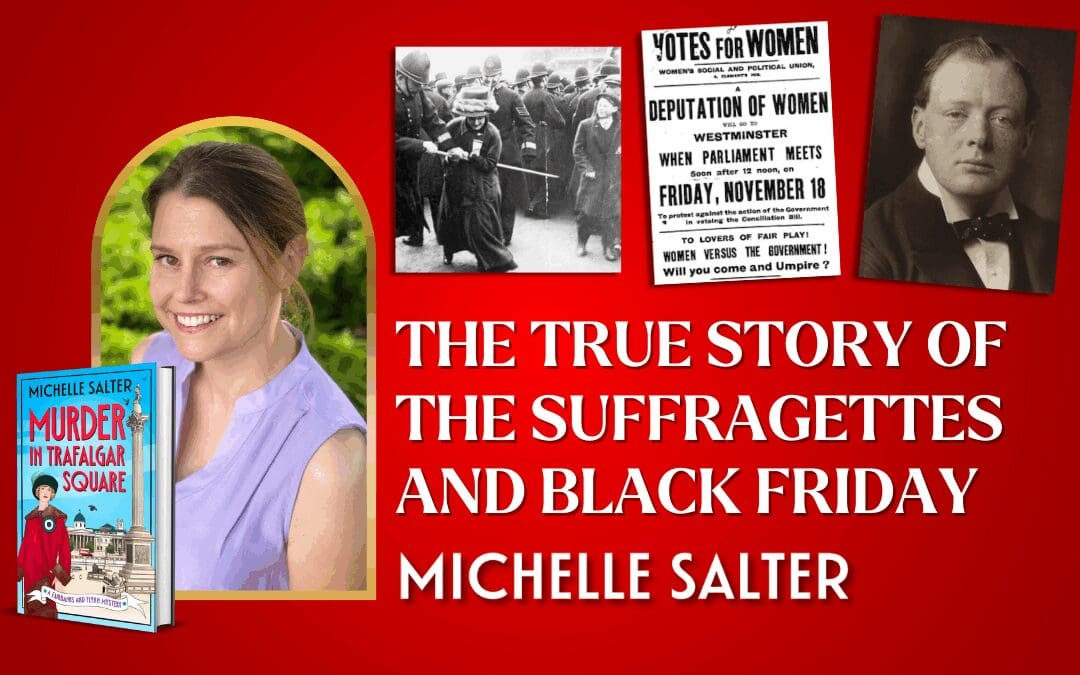
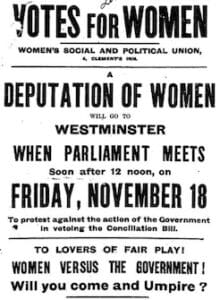
On this day, a suffragette delegation of over 300 women marched on the Houses of Parliament to be greeted by lines of policemen and crowds of bystanders who attacked them for the next six hours.
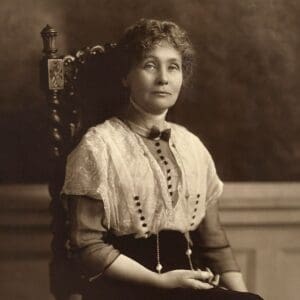
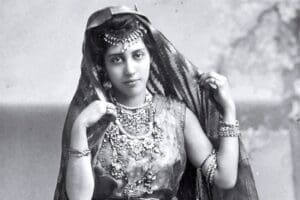
Led by Emmeline Pankhurst, founder of the Women’s Social and Political Union; Dr Elizabeth Garrett Anderson, the first woman in Britain to qualify as a physician and surgeon; and Princess Sophia Duleep Singh, the Indian goddaughter of Queen Victoria – the suffragettes were attempting to deliver a petition to the prime minister.
But they were beaten by police and thrown into a hostile crowd, where they were subjected to more violence. Hundreds of female protesters reported having their breasts grabbed and their long skirts lifted up to their waists.
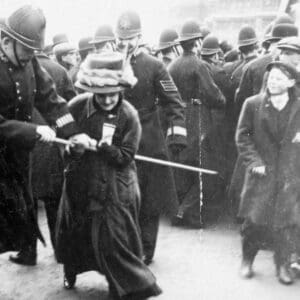
The suffragettes claimed plain-clothes policemen had gone amongst the bystanders, deliberately inciting the violence. In addition, officers had been brought in from rough areas like Whitechapel, and they were unfamiliar with handling suffragette protests.
In all, 115 women were arrested – but only 4 men. All of them were released the following day without charge on the orders of the home secretary, Winston Churchill.
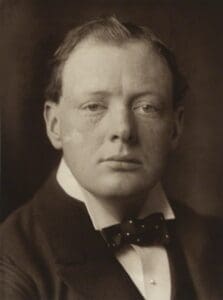
There’s been much debate over Churchill’s role in Black Friday. Some suggest that what took place was a deliberate ploy, and he’d encouraged police brutality. Others say that he knew the police had overstepped the mark, which is why he ordered the release of those arrested. Whatever the truth of the matter, he ignored all calls for an inquiry into Black Friday.
In Murder in Trafalgar Square, Black Friday draws the battlelines between the police and the suffragettes – and Coral Fairbanks and Guy Flynn are on opposing sides.
But when a suffragette is murdered in the National Portrait Gallery, Fairbanks and Flynn put aside their differences and join forces to hunt for the killer.