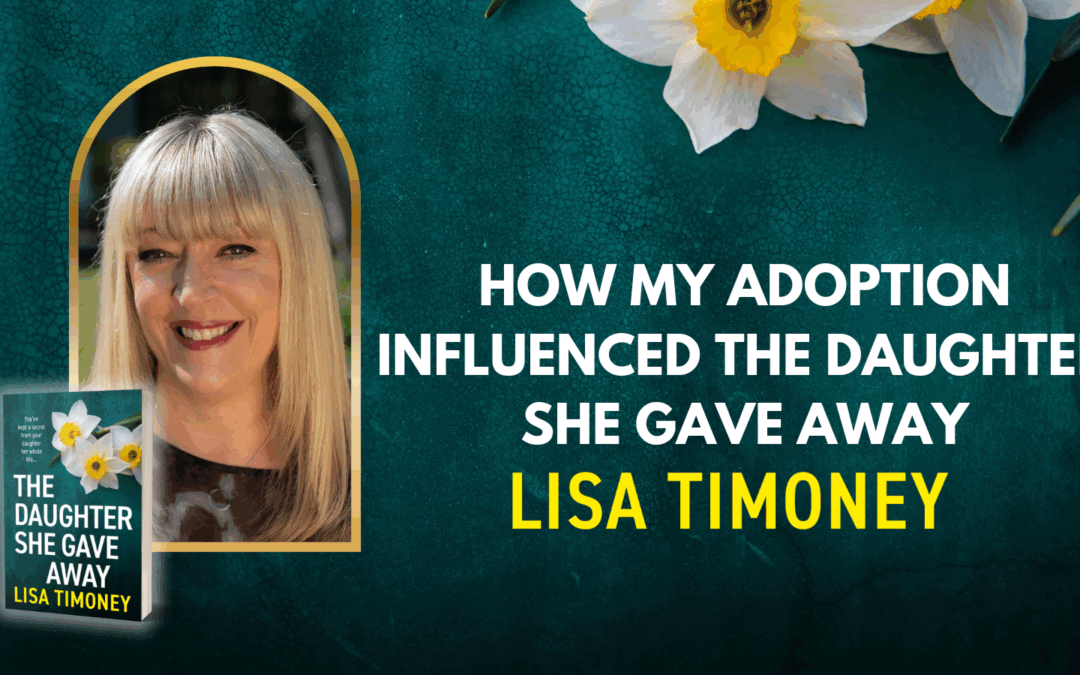
How My Adoption Influenced The Daughter She Gave Away
I have always known I was adopted. My parents wisely framed it as having chosen me, and I elected to accept that as the truth. But no story is ever that simple, is it?
Behind my parents’ decision to adopt was a tale of lost pregnancies and heartache.
Behind me being given up for adoption (if the scant information I have is correct) is a story of accidental teenage pregnancy and a failed relationship.
There’s no escaping the fact it’s a sad backstory, but these things happened before I had conscious thought, so there’s a nebulous feel to it, like it could have happened to someone else. It felt like a story, and if there’s one thing I enjoy, it’s a good story.
Adoption was always a familiar word to me, but I began to notice the twitch of interest whenever I mentioned it to others. Despite this, I never gave it too much thought until I had children of my own. There’s nothing like bringing your first blood relation into the world to make you think about the woman who went through all of that just to let her baby go. When I started to write, this was something I knew I had to explore.
I suspect another reason I often come back to the theme of what it means to be a mother in my writing is because I have experienced more types of mothering than most. I have a birth mother I know nothing about, an adoptive mum, who always has been, and always will be my mum, and a step-mother who’s been in my life since I was a teen. I had a mother-in-law, and I’m a mother myself to two firecracker girls.
The nature/nurture debate fascinates me. I used to come down on the side of nurture because that suited my narrative growing up. I convinced myself that it was upbringing that shaped the self. After having my daughters, I still believe it plays an enormous role, but have to concede that nature plays a bigger part. Physically and in personality, my children’s traits are easily and directly attributable to either myself or my husband. ‘Nature will out’, as Venus says in Aesop’s fables.
Too many novels use adoption as the reason why a character is a lost soul, embittered or vengeful. That’s not my experience, or that of any adoptee I know, and it’s a trope I would like to see disappear. Whilst adoption is a topic I explore in my novels, I’m more interested in the experience of the mothers. ‘The kids Are Alright’ sang The Who. It’s the parents I’m concerned with, and in The Daughter She Gave Away, we’re right to be concerned!
I don’t believe any adoption story is uncomplicated, and I find writing about it a helpful way of unlocking my own feelings about how I came into the world. I’m drawn to exploring the impact that giving up a child might have on a woman, and feel qualified to write about the adoptee’s experience.
I put Cassie, Meg and Grace through the wringer in this book, and I know from reviews that tears are likely to be shed. Families are often messy but, ideally, they are full of love too. I hope that’s what readers take away from The Daughter She Gave Away. There is sadness, but there is hope too.
Link text