
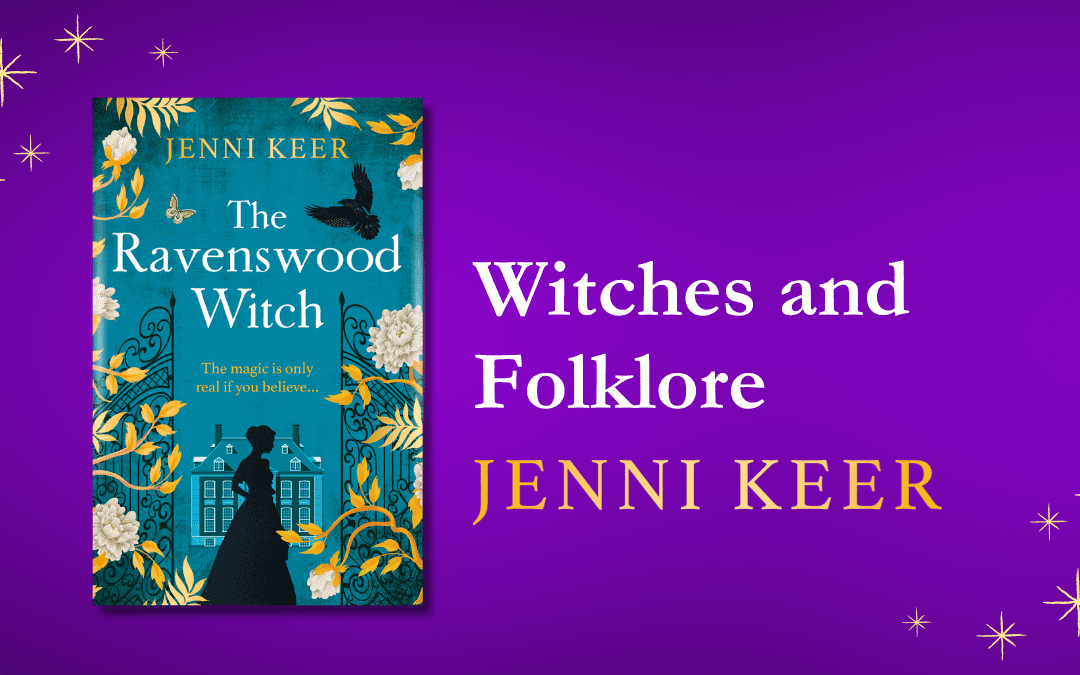
My latest book, The Ravenswood Witch, centres around a woman in the late 19th century, whom the locals regard as a witch – Luna Greybourne. During my research, I was surprised that such beliefs remained strong during this period, even though the 16th and 17th centuries were the peak of their persecution. (Think of Matthew Hopkins and the witch trials in 1640s England.)
Before the relevant scientific advances, people turned to supernatural explanations for phenomena like disease, crop failures, and natural disasters. Witches were scapegoats and blamed for causing these misfortunes through magic or curses. In Christianity, the Bible even contains passages that condemn witchcraft, (“thou shalt not suffer a witch to live”), which reinforced the belief that such people were in league with the devil, and therefore represented a serious spiritual threat.
Women, in particular, were persecuted, notably those who were seen as too independent, outspoken, or knowledgeable – especially in herbalism or midwifery. Labelling people as witches conveniently reinforced traditional gender roles and suppressed women’s autonomy. Tricky times to be a strong woman!
These so-called witches were divining the future through tarot cards, palmistry, tea leaves and suchlike, and casting spells to manifest desired outcomes, control individuals or connect with spiritual forces. This was all achieved by various means, such as using poppets (dolls which represented people), observing the lunar phases and rituals associated with them, employing candle magic, and using herbs for their believed magical properties – amongst other things.
However, in many cultures, the distinction between good magic (healing, protection) and bad magic (harmful witchcraft) was blurred. Folk healers and those practising traditional medicine were viewed with suspicion, as is the case with Mr Findlay, in my story, who practices good magic to counteract evil.
So, is the magic real? Read The Ravenswood Witch and make up your own mind!