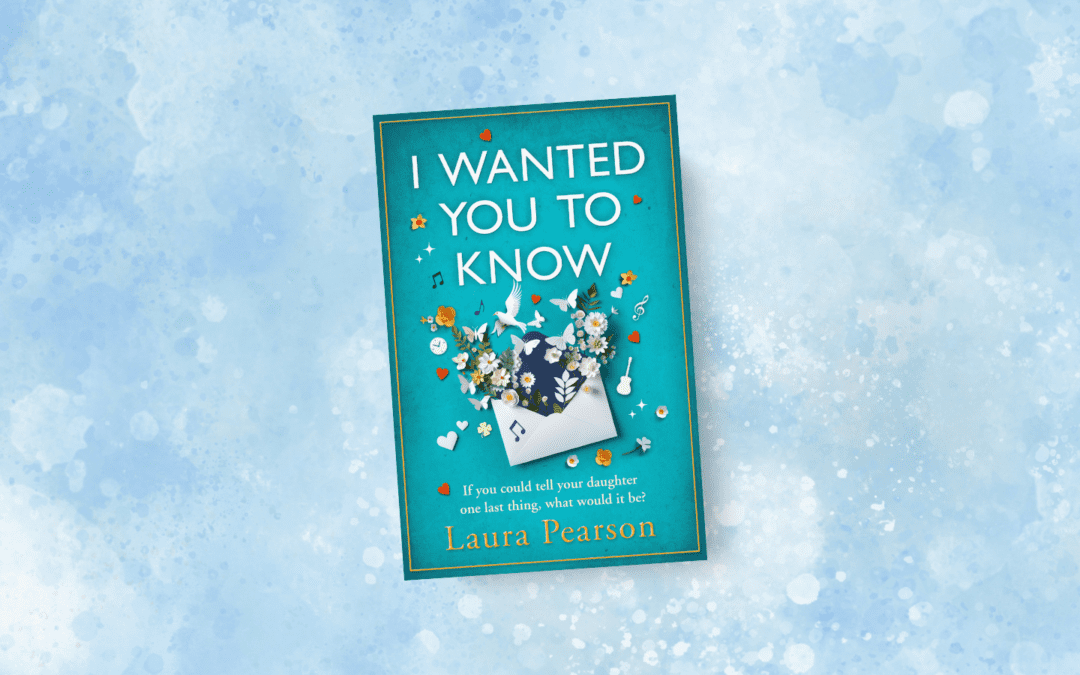
Embarking on a novel about a woman with breast cancer when I’d just finished being treated for breast cancer was a risky move. I hoped it would be cathartic, and it was, on the whole. But it also dredged a lot of stuff up. It reminded me that this could have gone a different way, for me. And of how cheated I still feel about some aspects of it. You’re supposed to feel grateful if you survive, it seems, and I do, but there are still things it’s hard to come to terms with. Being in menopause with no HRT before forty. My scarred, lumpy body, which tells a story of two pregnancies and one almighty struggle. However, I’m sure that stuff would have come to the surface at some point, so I’m not too worried about having helped it on its way.
Clearly, I drew from my own experience a lot while writing this book. With practical things, like what having chemo feels like and what kind of side effects are typical. I knew, without having to do research, the kind of things medical staff say to you and the wide range of ways in which family and friends react to the news. I didn’t take any of this wholesale from my own experience, but I felt comfortable in creating these scenes using my newly acquired knowledge. People don’t always react in the way you expect, I found, and I played with that a little with the character of Jess’s mother. Gemma, Jess’s best friend, is the kind of person everyone with cancer needs in their corner. She just takes it on board and is there for her friend. I was lucky enough to have friends like that, too.
All of Jess’s fears were my fears. Front and centre, leaving my children without a mother. My son was two and a half when I was diagnosed, and I was pregnant with my daughter. I didn’t want to die. I had so many good reasons why I needed to stay alive. I wrote a letter to my children when I was having treatment. I was terrified that I would die suddenly and wouldn’t have a chance to plan anything like that. It contained these lines:
‘You are too young to understand any of this, and you don’t deserve it. It isn’t fair that I love you so fiercely every day and yet there’s a chance that you’ll lose me and never remember me at all.’
I think that was the crux of it all. The unfairness of the fact that they wouldn’t remember me, despite my life having centred on being a mother for almost three years by that point. It’s hard, relentless work, mothering. Selfishly, I wanted some appreciation for the hours I’d put into it. And less selfishly, I wanted my children to have a mother. It felt like a fairly standard requirement. Not much to ask.
I feel changed by my cancer in all kinds of ways, but I’m adamant that I won’t let it change me for the worse. I could be bitter. But what’s the point? I’m sad and sometimes I’m angry about what happened to me, but mostly I’ve resolved to be as kind as possible as much as possible. There were people who came out of nowhere and propped me up, and I want to do that for someone else. I’ve become bolder about reaching out, sending cards, sending little gifts. I used to worry that people might think I was odd, but now I really don’t care. If I do a nice thing and someone else thinks I’m odd because of it, that speaks of them and not of me.
I’ve been lucky so far (as lucky as a cancer survivor can be). I was treated and my cancer is at bay. There’s no such thing as being all clear. The closest you’re offered is ‘no evidence of disease’. It could always be lurking. God, I hope it’s not lurking. But if it is, and everything tilts and tips in my world again, and I die, I’m glad my husband will have this book to offer my children. Because I love them the way Jess loves Edie, and I hope they’ll always know that, whether or not I’m around to tell them.