
The inspiration for writing ‘The Midwives’ War’ came to me in a rather unexpected way. I was rooting in a box of family memorabilia when I came across my father’s Royal Air Force Service and Release Book. In WW2 he served as a leading aircraftsman, much of his time spent in West Africa, and as I read the detail of his exemplary character and his expertise in all things electrical as stated in the book by his commanding officer, I began to regret that I hadn’t talked more to my dad about his war years.
He often said that his time in the RAF were the best years of his life, a comment that made my mother pull a derisory face; she thought his best years should be the years he spent with her and his children. Then it got me thinking what if things had been different. What if he hadn’t come back to us? Or what if his war years had changed him from the man he had once been, into a man we only thought we knew? That then led me to think about my dad’s view of how his life had turned out.
Out of all this muddled musing came the idea to write about a wonderful wartime love affair of two people whose lives were torn to shreds by the rigours of war, and the effect it had on all they held nearest and dearest. To do that I had to flip back and forth between the present and the past telling my characters’ stories and how they dealt with the joyful and tragic incidents that influenced their lives.
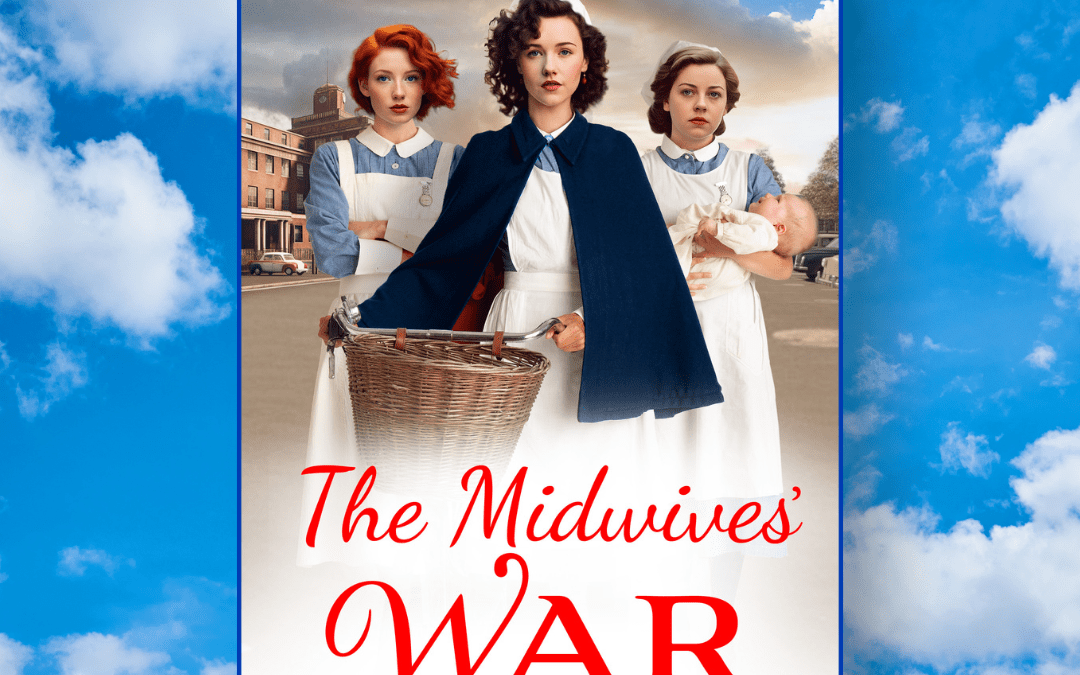
The idea for creating my three main female characters came from thinking about the usefulness of women during the war, and seeing as there is nothing more useful than bringing new lives into a world where so many are losing theirs, I made them midwives.
I also wanted to show the distinction between social classes at that time and all the attendant problems it raises when two people from very different backgrounds fall in love.
My research into the working lives of midwives and Spitfire pilots was eye-opening and exciting: the highs and lows of midwifery when the birth of a baby results in presenting the mother with a beautiful healthy child or the deep despair that ensues if a child is stillborn had me standing in the shoes of all midwives – something I’d never before thought about.
The more I learned about Spitfire pilots had me wondering how on earth did these brave men get up every morning to face another day knowing that they might not live to see the end of it. No wonder my dad had such great admiration – and feelings of envy – for the young men whose planes he serviced. I thoroughly enjoyed writing this book.