
My sister was two years above me at school, and the very idea of being friends with each other’s friends was unthinkable. There was a strong ‘stay in your lane’ mentality. Friendships that crossed the year groups did exist, but they were rare, and we eyed them suspiciously. After all, you are kept with people of your own age for all those long years at school.
But then, in one of my first jobs after university, I made a friend called Lyn who was around my mum’s age but whose company I preferred to many of the staff of a similar age to me. Lyn’s husband worked away in the week, so she used to come into the office with her dress half done up and I would finish zipping it up for her. She was my senior but not my manager, and so incredibly kind. She thanked me for my work at the end of every day. We used to laugh until we cried. Years before having children of my own, I learned a lot about being a mother from her.
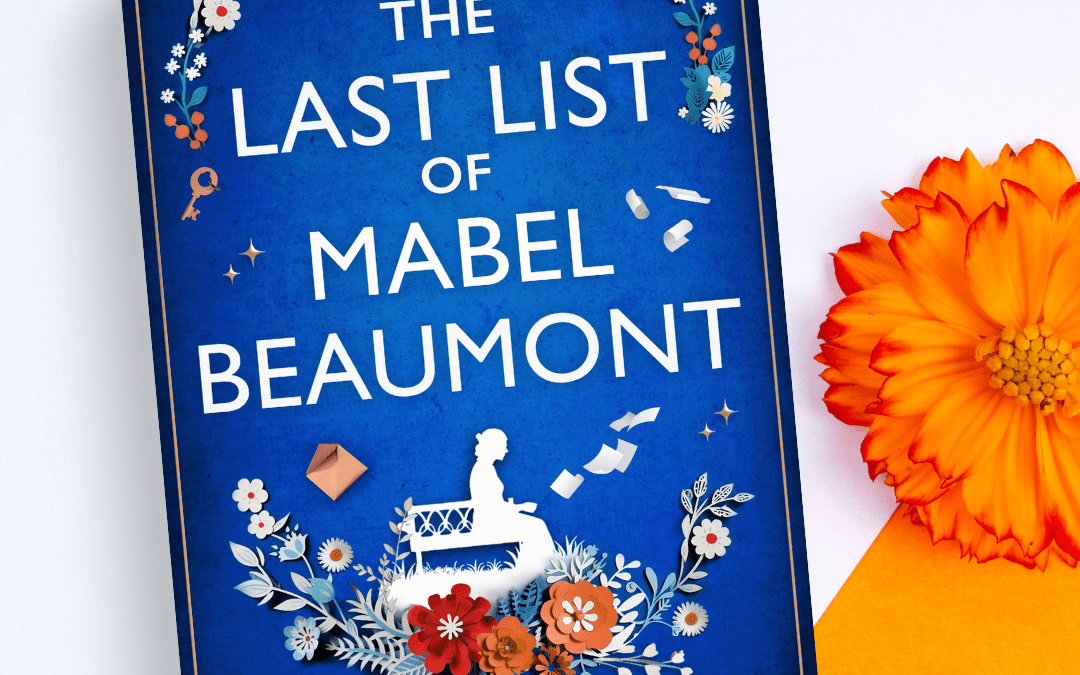
We have so much to learn from people of different generations. So much to offer them, too. I thought about this a lot during the Covid pandemic. There were people like me whose lives were too full. Juggling work and children and running a house. And there were people whose lives were too empty – who lived alone and were retired or furloughed. We couldn’t help one another then, because of the risk of transmission, but why didn’t we help each other more in normal circumstances? This thinking led to The Last List of Mabel Beaumont.
In the novel, there are five women at five different stages of life. A teen, a new mum, a middle-aged woman, an empty-nester, and an elderly widow. All of them are lonely or struggling in some way, and when they come together, they are stronger. But because of their age differences, they are not a natural friendship group. They live in the same small town, but could easily have remained loose acquaintances, or not met at all. I hope that my exploration of their friendship and what they have to share with one another may give readers the courage to go against expectations and societal norms when it comes to supporting other women.